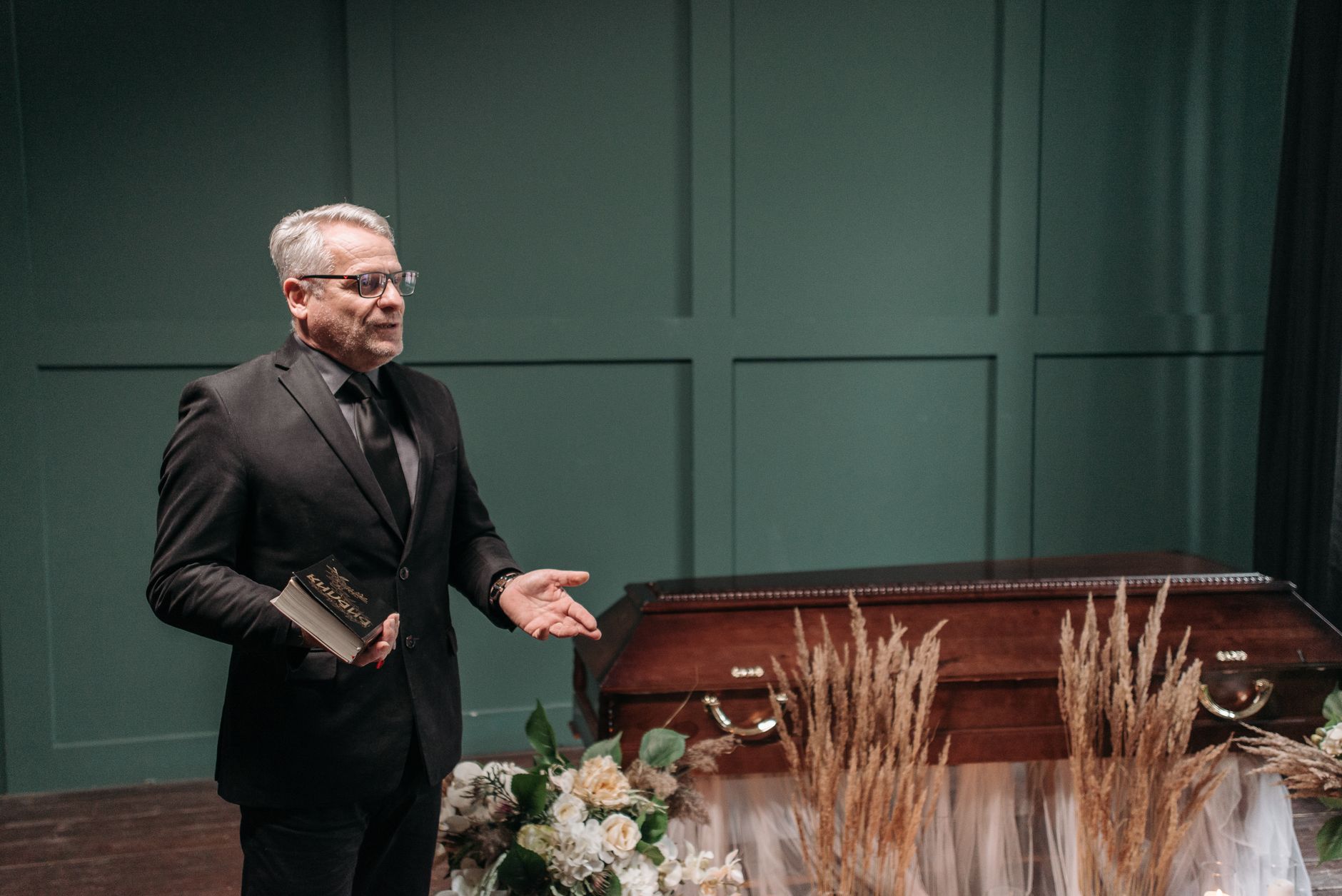
Witnessing a cremation means family members are present when the body enters the cremation chamber. Most crematories allow it by appointment, often for an added fee, and many families request it for religious reasons. The witness event is usually brief. Families gather in a viewing room, see the container placed, and may share a prayer or moment of silence before staff begin the process.
Table of Contents
- What happens during a witness cremation?
- Why do religions require or encourage witnessing?
- What policies limit who can watch?
- What does it cost and how do you arrange it?
What happens during a witness cremation?
Staff bring the body in a cremation container into the area near the chamber. The chamber, also called a retort, is the heated unit where cremation takes place. Family members watch from behind glass or from a safe distance on the crematory floor.
The witnessing itself often lasts ten to twenty minutes. Families may press a start button, say prayers, place flowers, or simply observe identification and placement. Most crematories do not ask families to stay for the full cremation, which takes several hours.
Why do religions require or encourage witnessing?
Many Hindu families view presence at the start of cremation as a religious duty. An eldest son or close male relative may light the pyre in India, and witnessing the start serves a similar purpose in a modern crematory. Sikh, Buddhist, and Jain families may also value being present for prayers at the time of cremation.
Other families witness for personal rather than doctrinal reasons. Some want to confirm identity before cremation begins. Others find that seeing the start brings closure after a hospital death or long illness.
📨 Get Free Funeral Cost Guides Alerts
Free · No spam · Unsubscribe anytime
What policies limit who can watch?
Each crematory sets its own rules for safety and scheduling. Common limits include a small group size, scheduled daytime hours, photo identification, signed permission forms, and adult-only attendance unless a minor comes with a parent.
Staff also control where visitors may stand and what they may bring. Open flames, large objects placed with the body, and touching equipment are usually barred because they create safety or emissions problems. Families who want music, incense, or an extended service often need to use an attached chapel or arrange those rites before entering the crematory area.
What does it cost and how do you arrange it?
A witness cremation usually costs more than a standard cremation without attendance. The added charge covers staff time, use of a viewing room, cleaning, and scheduling outside the normal work flow.
Fees vary widely by provider and city, so families should ask each funeral home or crematory for its own written price. Ask for the fee and time limit in writing before you sign.
- Confirm that the chosen crematory permits witnessing
- Ask about group size, time limit, and allowed rituals
- Request the added fee and any after-hours charge in writing
- Share arrival time, dress, and conduct rules with family in advance
You Might Also Like
- Why Does Cremation Cost More in Some States Than Others?
- What Happens to Cremation Costs if a Funeral Home Adds Fees Not on the Price List?
- How Soon After Death Must Cremation Costs Be Paid?