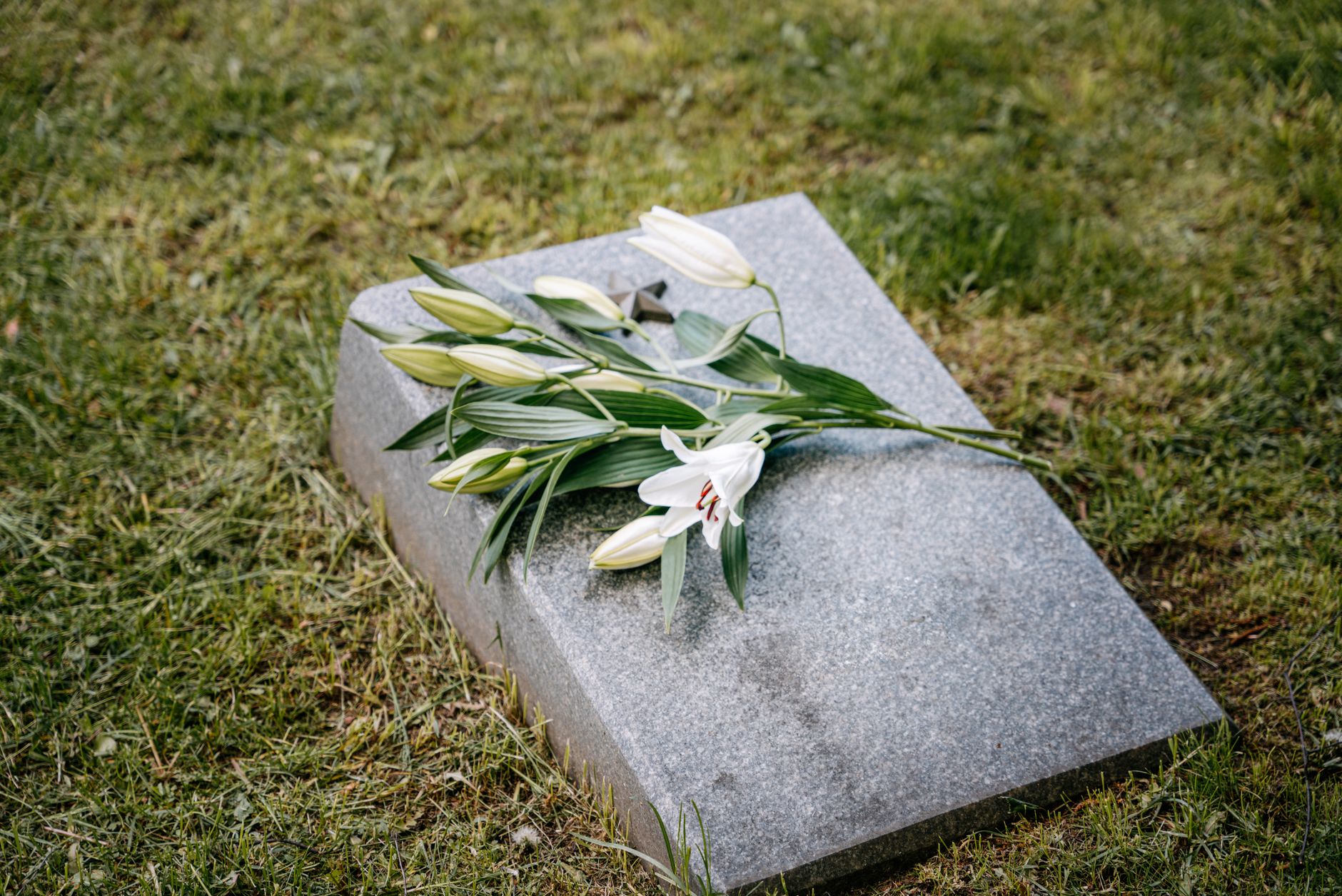
Green burial means burial without a vault, without routine toxic embalming, and with only a biodegradable container or shroud. In 2026 families can also consider natural organic reduction and water cremation, but availability depends on state law and local providers. Most U.S.
families face this choice during funeral planning. According to the National Funeral Directors Association, cremation is projected at 63.4% versus 31.6% burial in 2025, rising to 82.3% cremation by 2045, in its 2025 cremation and burial report. Interest in greener options is strong enough that providers must offer clear answers.
Table of Contents
- What counts as green burial?
- Where are composting and water cremation allowed?
- Who is affected and what is driving change?
- What should families ask and do next?
What counts as green burial?
The Green Burial Council, a nonprofit described by PartingPoint, certifies hybrid, natural and conservation grounds. Certified sections require no vault, no routine toxic embalming and only biodegradable containers. Hybrid sites offer a green section inside a conventional cemetery.
Natural and conservation grounds limit the whole landscape to green practices. University experts describe natural burial as a shallow grave in a biodegradable shroud or cardboard coffin. That design lets the body return to soil without concrete, metal and chemical barriers. Families should expect simpler markers, native plants and hands-on graveside practices.
Where are composting and water cremation allowed?
Natural organic reduction, called human composting or soil transformation, is legal in 14 states. According to Earth Funeral, those states are Washington, Oregon, California, Colorado, Arizona, Maryland, Nevada, New Jersey, Vermont, Maine, Delaware, New York, Georgia and Minnesota, in its tracker of where human composting is legal. Families elsewhere can transport remains to a licensed provider in another state.
Water cremation follows state statute as well. Nolo documents Arizona licensing alkaline-hydrolysis facilities while Arkansas has no alkaline-hydrolysis law. Always confirm whether your state authorizes the method, licenses operators and accepts out-of-state paperwork.
📨 Get Free Funeral Cost Guides Alerts
Free · No spam · Unsubscribe anytime
Who is affected and what is driving change?
Adults over 40 planning ahead are most affected. About 61.4% of consumers say they want green funeral options, a signal cited by the National Council on Aging from the 2025 consumer report. Funeral homes now need trained staff, supplier lists and written procedures.
Supply remains uneven. University experts warn green sites are few, and securing space can be costly and difficult. That gap matters for rural families, for deaths needing quick disposition and for families who want a cemetery near home.
What should families ask and do next?
Federal rights help families control cost and treatment of the body. According to US Funerals Online, the Funeral Rule requires itemized General Price Lists, lets families buy only wanted goods and services, and bars claims that embalming is legally required when it is not, in its FTC Funeral Rule update.
Ask for the list before choosing a package. Families can often avoid embalming through prompt burial or refrigeration at 40°F or cooler. Use these steps when you call providers:.
- Ask if the cemetery allows vault-free burial and biodegradable containers.
- Ask for refrigeration, timing limits and added fees in writing.
- Ask which alternatives are licensed locally and what transport costs apply.
- Compare at least two itemized quotes before signing.
You Might Also Like
- How to Verify Green Burial and Alternative Funeral Options Claims in 2026: FTC Funeral Rule and state regulator sources, Evidence, and Red Flags
- Funeral Pre-Planning Explained for 2026: Who It Affects, Key Evidence, and What to Do Next
- Funeral Consumer Rights Explained for 2026: Who It Affects, Key Evidence, and What to Do Next