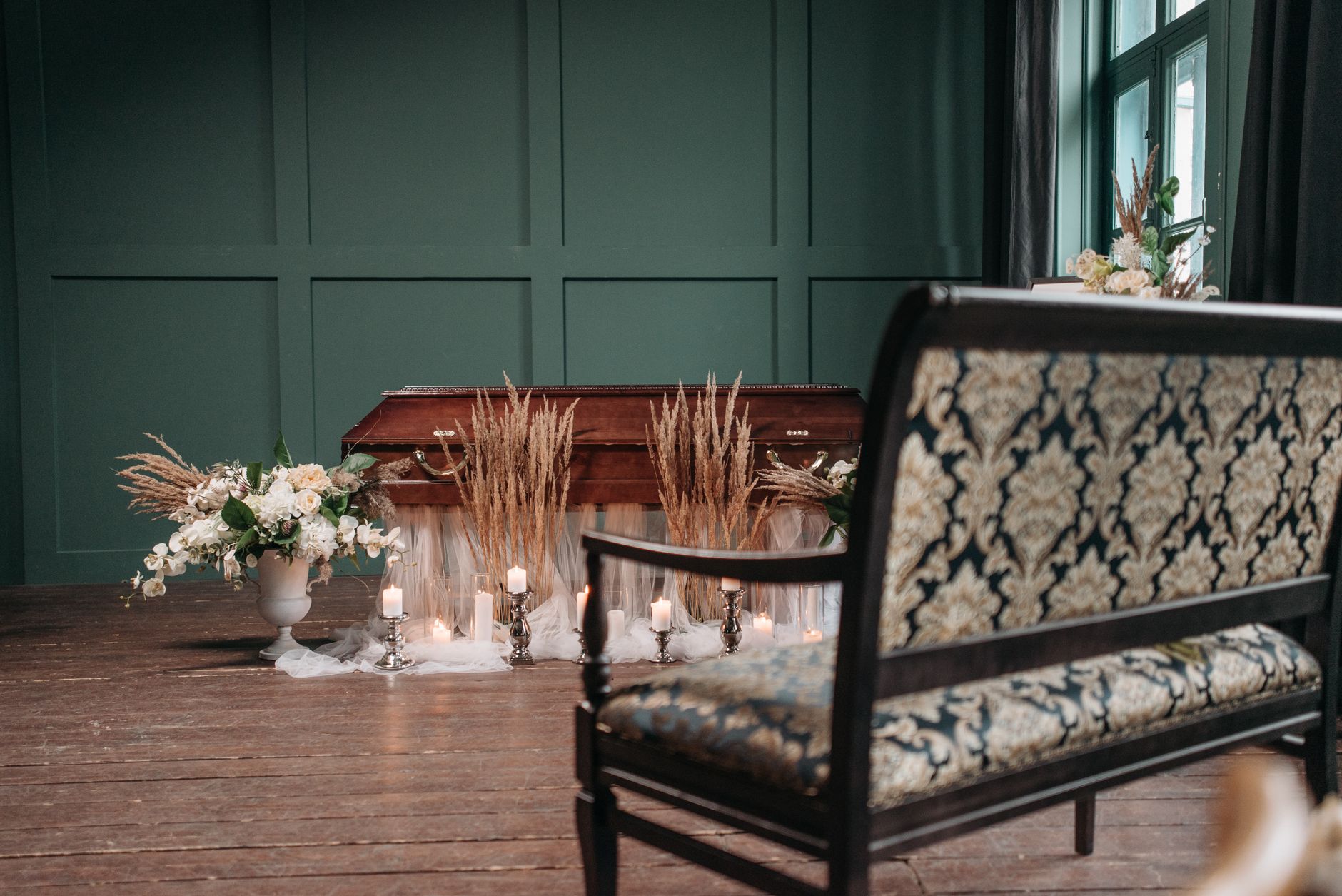
Green burial is the broad term for burial that avoids embalming chemicals, non-biodegradable caskets, and concrete vaults so the body decomposes naturally. Natural burial usually means the same practices applied in their strictest form, while conservation burial adds permanent land protection funded in part by burial fees.
The words overlap in everyday use, and one cemetery may use them differently from another. That makes the written rules matter more than the label. Families should compare what each site allows, requires, and protects.
Table of Contents
- What green burial usually means
- How natural burial is often used
- What makes conservation burial different
- How to choose and what to ask in writing
What green burial usually means
Green burial describes a low-intervention approach rather than one fixed rite. The body is not embalmed, or is prepared only with non-toxic cooling and washing. The container is biodegradable, such as unfinished wood, woven fibers, or a simple shroud.
Most green burial grounds also skip the outer concrete vault or grave liner used in many conventional cemeteries. Markers tend to be simple, flat, natural stone, or recorded by GPS rather than large monuments. Practices vary, so ask whether the site permits embalmed bodies, metal caskets, vaults, or herbicides.
How natural burial is often used
Natural burial is frequently used as a synonym for green burial. When providers distinguish it, they usually mean full natural burial with no embalming, no metal or synthetic materials, and direct contact between body and soil.
That can affect viewing, timing, and transport because refrigeration replaces chemical preservation. Families can still often hold a viewing, service, or religious rite, but the funeral home needs experience with unembalmed care. Check how quickly burial must occur and what container the cemetery accepts.
📨 Get Free Funeral Cost Guides Alerts
Free · No spam · Unsubscribe anytime
What makes conservation burial different
Conservation burial takes place on land managed for habitat, watershed, or open-space protection. Burial fees help pay for acquiring, restoring, or maintaining that land. The burial area often looks like meadow, woods, or prairie rather than a mowed lawn.
Rules are usually stricter to protect ecology and preserve natural appearance. Expect limits on digging methods, grave depth and spacing, plantings, decorations, paths, and vehicle access. Ask who holds the conservation agreement, what it permits, and whether public access, hunting, timber work, or future development could occur nearby.
How to choose and what to ask in writing
Start with practical needs: location, religious requirements, accessibility for visitors, and whether you want an individual marker or communal memorial. Then request the cemetery rules, fee schedule, and contract before making plans with a funeral home.
Terms differ widely even among sites using the same name. Ask the cemetery to put its rules on containers, markers, visitation, and future land use in writing before you pay.
- Body preparation: is embalming barred, and what cooling, washing, and viewing options are allowed
- Container and vault: which caskets, shrouds, urns, liners, and vaults are permitted or required
- Marker and decoration: size, material, inscription, planting, photos, flags, and seasonal items
- Land and records: who owns and manages the land, how graves are mapped, and what visitation looks like
- Future protection: conservation terms, maintenance plan, and what happens if the operator closes or sells
You Might Also Like
- What Is Green Burial, and How Much Does It Cost?
- What Is Aquamation? Cost and Where It Is Legal
- Human Composting: How It Works, Cost, and Where It Is Legal