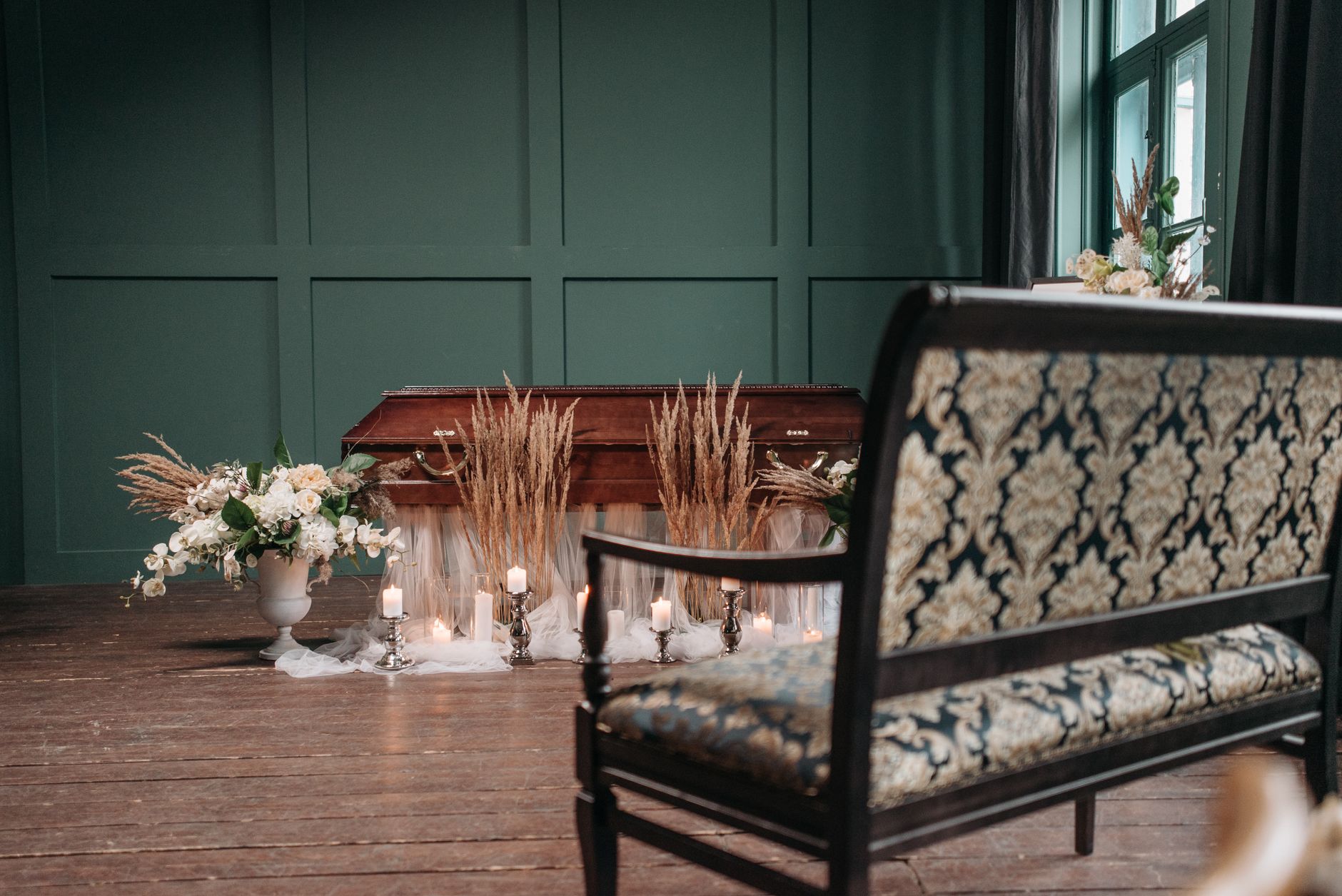
Green burial is usually the lower-impact choice compared with standard flame cremation. Green burial means burial without embalming fluid, concrete vault, or metal casket, using a plain wood box, wicker basket, or cloth shroud that breaks down in soil. Your result depends on local cemetery rules, travel distance, and how the crematory runs. Families handling costs and paperwork can use these differences to ask clear questions and avoid unwanted extras.
Table of Contents
- What does green burial leave behind?
- Why does flame cremation use more energy?
- When does the gap narrow?
- How do you plan a lower-impact goodbye?
What does green burial leave behind?
The body goes directly into the ground in a biodegradable container or shroud. No embalming chemicals enter the soil. Microbes and insects return tissues to the soil over time.
Green cemeteries often skip vaults, metal parts, and polished stone. They may use native plants, simple markers, and little mowing. The trade-off is land use, since each grave needs ground and long-term care.
Why does flame cremation use more energy?
Flame cremation places the body in a combustible container inside a heated chamber. Burners bring the chamber to high heat for one to several hours. Staff then cool the remains, remove metal, and reduce bone to ash.
The burn uses fuel and electricity and releases heat, gases, and fine particles through controls. The container matters too, since varnish, metal handles, and synthetic cloth add to the burn. An urn still needs a plan, such as home keeping, placement in a niche or grave, or scattering where allowed.
📨 Get Free Funeral Cost Guides Alerts
Free · No spam · Unsubscribe anytime
When does the gap narrow?
Distance can shift the balance. Long drives for a distant green cemetery, plus grave digging with heavy machines, add fuel. A nearby crematory with a simple cardboard container can have a smaller transport load.
Cemetery rules also matter. A cemetery that requires a vault or a treated hardwood casket removes part of the green benefit. Water cremation, which uses heated water and alkali instead of flame, is offered in some places and uses less direct fuel, but access, permits, and handling vary by area.
How do you plan a lower-impact goodbye?
Ask providers what is included and what you can refuse. Small choices cut waste, fuel, and cost without changing the service. Get the cemetery rules in writing before you pay a deposit.
- Ask the cemetery: Is embalming required? Are vaults required? What containers and shrouds are allowed?
- Ask the crematory: What containers are offered? Can family provide a simple combustible box? Where do metals go after cremation?
- Ask about land: Is the grave in a natural section? What markers, plantings, and upkeep are used?
You Might Also Like
- Green vs Natural vs Conservation Burial: What They Mean
- Burial at Sea: Rules, Permits, and Costs
- Burial Insurance vs Life Insurance: Which Is Better?