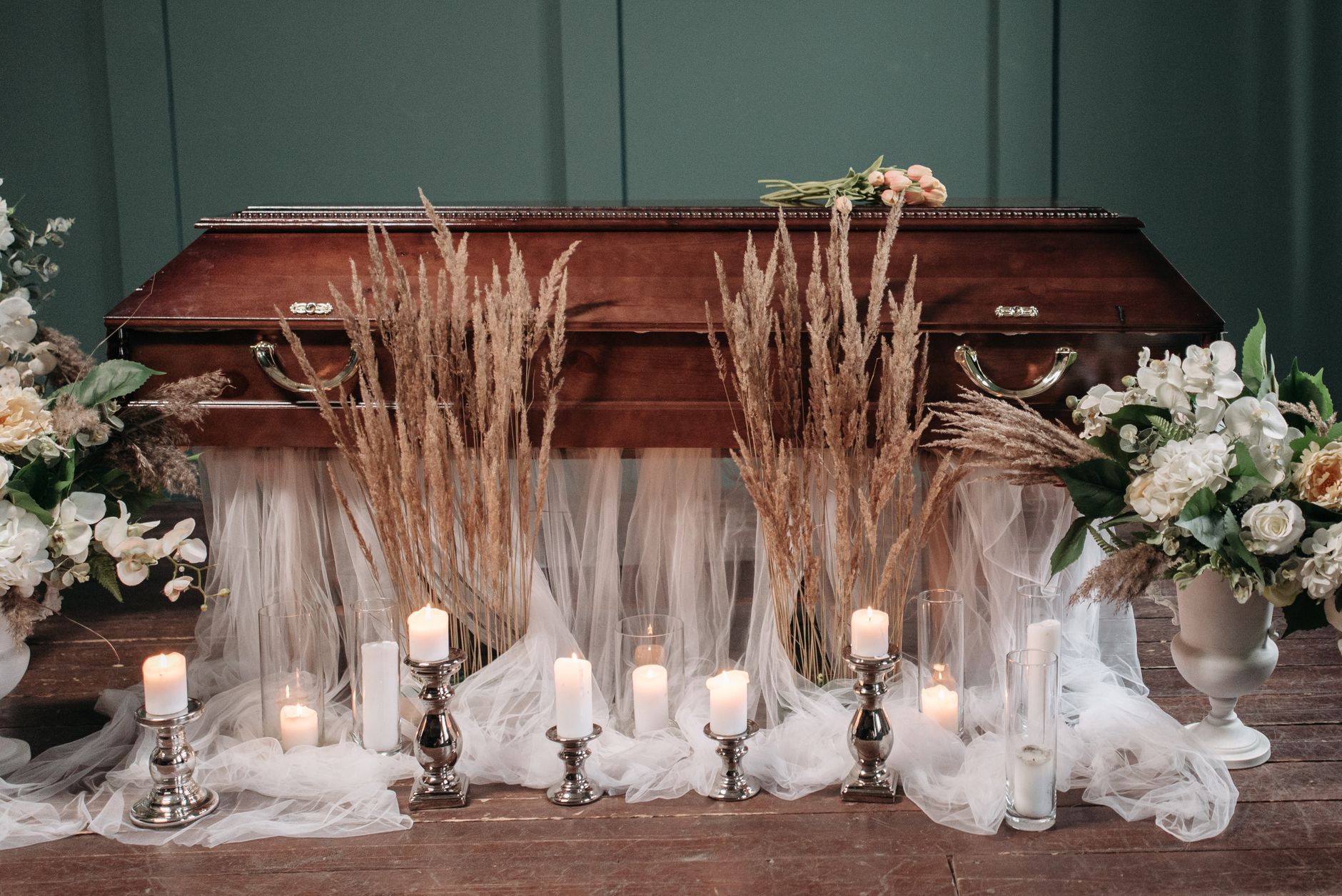
Funeral etiquette covers who should attend, where guests should sit, and whether money is appropriate. Close family, friends, neighbors, coworkers, and acquaintances with a real connection to the person or family are generally welcome unless the notice says private or family only. Funeral etiquette means the shared expectations for respectful behavior at visitations, funerals, memorial services, and burials. These expectations shift with religion, culture, and family wishes, so read the obituary or service notice first and follow it.
Table of Contents
- Who Should Attend?
- Where Should You Sit?
- Is Money Expected at the Funeral?
- What Should You Wear, Say, and Do?
- What If You Cannot Attend?
Who Should Attend?
Attend when you knew the person who died or want to support someone grieving. You do not need an invitation to a public funeral, memorial service, or visitation. If the notice says private service, immediate family only, or celebration by invitation, do not attend unless asked. Partners, children, and close friends usually attend together.
Coworkers, clients, neighbors, school parents, and members of a faith group or club can attend even if they did not know the family well. Sign the guest book with your full name and brief connection, such as coworker or neighbor, so the family can thank you later. Ask before bringing children, plus-ones, or pets. Young children can come when they can sit quietly, and older children often benefit from a brief explanation beforehand. When in doubt, contact the organizer, check the funeral home page, or send condolences another way.
Where Should You Sit?
Sit toward the middle or back unless you are immediate family or were asked to sit in front. The first few rows are usually reserved for a spouse, parents, children, siblings, and sometimes grandparents and grandchildren. Ushers, funeral staff, or posted signs may direct guests. Arrive early enough to find a seat without interrupting the service.
If you arrive late, slip into an open seat near the back and avoid walking past grieving family. At a graveside service, stand behind seated family unless an usher invites you forward. Different traditions seat mourners and guests differently. In some services, one side is for family and the other is for friends. Watch what others do, follow staff directions, and leave accessible seats and aisles clear.
Is Money Expected at the Funeral?
Guests are not expected to bring cash or pay for the funeral. The family or estate usually handles funeral arrangements and costs. Do not feel pressure to give money at the service itself.
📨 Get Free Funeral Cost Guides Alerts
Free · No spam · Unsubscribe anytime
Families sometimes suggest memorial donations in place of flowers, often to a charity, faith group, or cause named in the obituary. Others welcome sympathy flowers, food, help with childcare, rides, or household tasks. Give through the named charity, funeral home, or family contact, and include your name so the gift can be acknowledged.
- Check the notice for phrases like in lieu of flowers, donations welcome, or no flowers please.
- Send flowers to the service or home only when the family has not asked otherwise.
- Keep any card short, with your name and one line of sympathy.
- If money feels right, such as helping with meals or travel for a close friend, give privately and quietly outside the service.
What Should You Wear, Say, and Do?
Wear simple, dark or muted clothing that covers shoulders and knees. Avoid bright patterns, casual beachwear, hats indoors, and strong fragrance. Silence your phone before entering and do not take photos unless the family clearly asks for them. Keep greetings brief and warm.
A handshake, a short hug when welcome, and a sentence like I am so sorry for your loss is enough. Avoid stories about your own losses, questions about the cause of death, comments about appearance, and advice about grief. Follow the leader for standing, sitting, prayer, singing, and processions. At visitations, keep your time short when a line is waiting. Afterward, leave promptly, drive slowly near processions, and follow parking directions.
What If You Cannot Attend?
You can still show care when distance, work, health, or cost keeps you away. Send a sympathy card, message, flowers where welcome, or memorial donation soon after the death. Mention a specific kind memory when you have one. Ask whether the service will be livestreamed before assuming it.
If a link is shared, join on time, mute your microphone, dress neatly, and avoid screenshots. If no stream is offered, do not ask the family to arrange one during a difficult week. Follow up after the funeral, when many mourners return to daily life. Call, visit, bring a meal, help with errands, or offer a specific time to help. A short note on a birthday, holiday, or anniversary often matters more than words on the day itself.
You Might Also Like
- Who Regulates Funeral Homes and Cemeteries?
- Who Is Next of Kin? Who Makes Funeral Decisions
- What to Write in a Sympathy Card: Message Examples